


At ReNu Energy, sustainability is the core purpose of our business. Every project is judged not only on financial performance, but on its contribution to climate action, resource conservation, and community well being. Our integrated models help countries reduce emissions, move away from landfills, and transition toward circular economies that align with global frameworks such as the Paris Agreement and the UN Sustainable Development Goals, especially clean energy, sustainable cities, and climate action.

By displacing diesel and coal based generation with waste to energy, solar, wind, and storage, our projects avoid significant CO₂ emissions. Waste to energy facilities reduce methane from open dumps and landfills, while hybrid microgrids allow critical loads to operate on clean energy even during grid outages. Electrification of vehicles further removes tailpipe emissions from urban streets.

Integrated waste to energy plants divert large volumes of municipal waste away from landfills and open burning, protecting soil and waterways and keeping plastics out of oceans. Through ash treatment, materials recovery, and pyrolysis products, we return usable materials and fuels back into the economy. Internally, we seek circular outcomes in our own operations, including future partnerships for responsible end of life battery recycling.
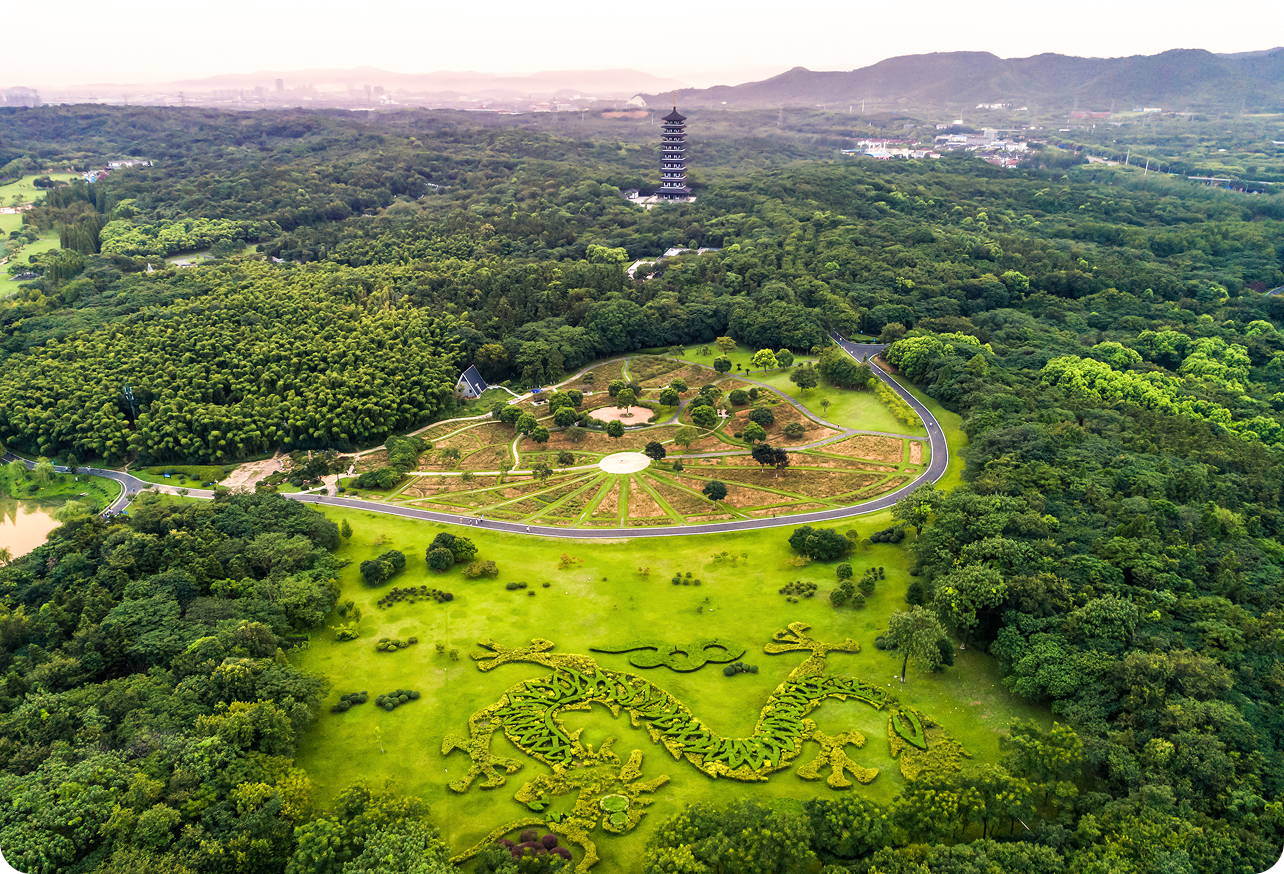
Where possible, we prioritise already disturbed or built environments for solar and infrastructure, and integrate renewable generation into rooftops, industrial estates, and existing community spaces. By combining higher density energy solutions like waste to energy with distributed solar, we can reduce pressure on untouched land and support better land use planning.
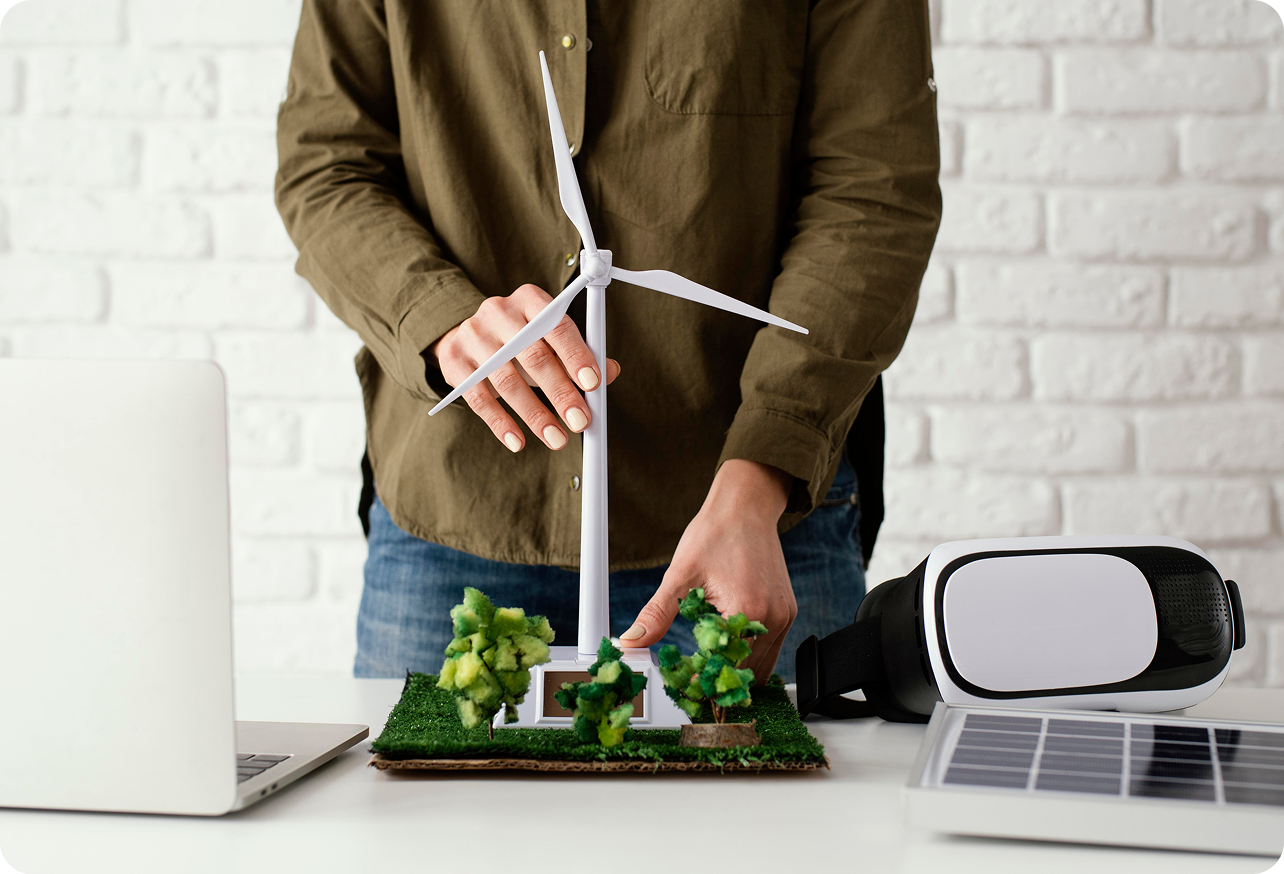
Flagship initiatives like Mangarap are designed as demonstrators that can be replicated across many locations, helping countries move faster toward sustainable energy systems. By creating bankable structures with strong governance, ReNu Energy aims to unlock broader flows of international capital into high impact projects.

Every project creates green jobs in construction, operations, maintenance, logistics, agriculture, and supporting services. We prioritise local hiring and on the job training, and we work with education and training providers to build long term skills in areas such as plant operations, microgrid management, and renewable energy installation.

Hybrid microgrids, pods, and off grid communities provide reliable power to areas that previously relied on diesel or faced frequent outages. This supports education, healthcare, refrigeration, communications, and livelihoods. In fully integrated Mangarap communities, residents benefit from clean energy, modern healthcare, food security through aquaponics, and local employment opportunities in eco industrial parks.

ReNu Energy engages local governments, indigenous groups, and residents early and throughout each project. We listen to concerns, share transparent information, and design governance structures that keep communities involved. Advisory panels, community consultations, and benefit sharing mechanisms help ensure that projects remain aligned with local priorities.

We design projects to comply with international standards for safety, environmental protection, and quality. Rigorous permitting, environmental assessments, and continuous monitoring are central to our approach, particularly for waste to energy and industrial facilities.

We work only with partners who share our commitment to compliance, integrity, and community benefit. This includes vetting suppliers, aligning with responsible financiers, and embedding community benefit components into major projects so that local development initiatives grow alongside infrastructure rollouts.

As a Singapore incorporated company, ReNu Energy operates within a regulatory environment that demands strong governance and financial transparency. We structure projects with clear reporting to governments, investors, and lenders, and we are committed to developing formal ESG reporting over time so that our impact can be independently assessed.

We aim to stay invested in the performance of our projects, whether through long term operating roles, service contracts, or equity participation. This keeps us accountable and ensures that the expertise that created a project also supports its operation over the long term.

We believe that real sustainability must be measured. ReNu Energy is developing internal tools and dashboards to track key performance indicators across our portfolio, monitoring metrics such as the megawatt hours of clean energy delivered, the tons of CO₂ avoided, the volume of waste diverted or processed, the uptime of critical facilities powered by our systems, the number of people gaining improved energy access, and the local workers trained and employed through our projects. These measurements allow us to refine our designs, enhance performance, and transparently communicate outcomes to stakeholders.

Looking ahead, ReNu Energy will continue to strengthen its sustainability practices by exploring pathways to carbon neutral operations, advancing technologies such as green hydrogen production from surplus renewable energy, developing new finance and energy-as-a-service models that make high impact projects more accessible, and expanding successful frameworks like Mangarap into additional regions where circular, off grid communities can deliver transformative benefits. At the centre of these commitments is a simple principle: environmental health, human well being, and economic viability must move together.